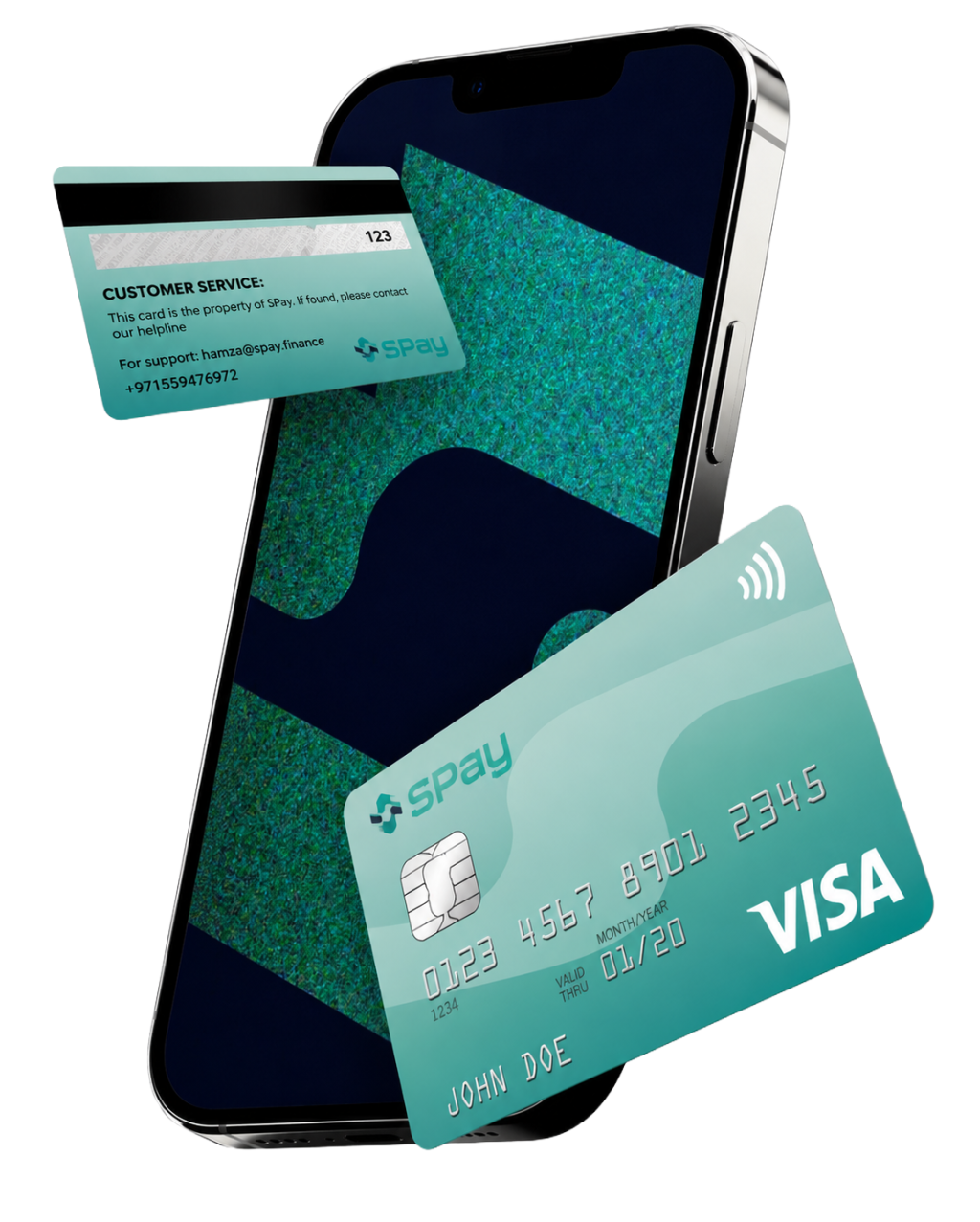
USDT wallets offer a convenient and secure way to store and manage your digital assets, but users often make mistakes that can lead to unnecessary risks or losses. By understanding these pitfalls, you can protect your funds and make better decisions while using your wallet.
Here are some of the most frequent errors to lookout for and how to avoid them.
Failing to Double-Check Wallet Addresses
One of the easiest errors to make is sending USDT to the wrong USDT wallet address. A small typo can result in your tokens being irretrievable. Always take the time to cross-check the address carefully before confirming any transaction. Copy-pasting instead of typing the address manually can also reduce errors, but remember to confirm that the pasted data is correct.
Ignoring Security Measures
Security should be a top priority when handling digital assets. Many users neglect simple safety practices such as enabling two-factor authentication (2FA) or using hardware wallets for added protection. Storing private keys or recovery phrases in insecure locations, like screenshots or online notes, can make your wallet an easy target for hackers. For peace of mind, store this sensitive data offline and in a secure place, such as a fireproof lockbox.
Falling for Phishing Scams
Fraudsters are always finding clever ways to exploit wallet users. Fake wallet apps, phishing emails, and impostor websites mimicking legitimate services can easily trap the unsuspecting. Be cautious about where you download wallet software or apps, and always verify that you’re using official platforms. Never share your private keys or recovery phrases with anyone, no matter how trustworthy they seem.
Forgetting to Keep Your Wallet Updated
Outdated wallet software can leave you vulnerable to bugs or security flaws that malicious actors could exploit. Developers regularly release updates to improve functionality and patch vulnerabilities, so failing to update means leaving your assets exposed. Periodically check for updates and install them promptly to ensure maximum protection.
Transacting Without Considering Network Fees
Every blockchain transaction incurs a network fee, and failing to account for these charges can cause headaches. For instance, setting low fees might result in delayed transactions, while setting excessively high fees wastes your funds. Learn about the recommended fee structures for the blockchain you’re using and make adjustments accordingly.
By recognizing and avoiding these common mistakes, you can safeguard your USDT wallet and enjoy a secure and efficient experience. A little extra caution goes a long way in protecting your digital assets from unnecessary risks.