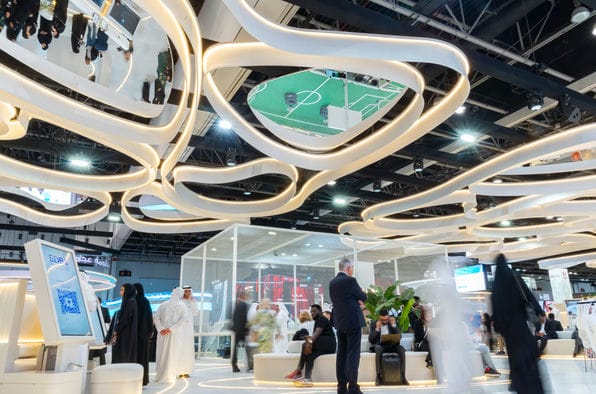
Technology has become an integral part of our daily lives and has impacted the way we do business. In the events industry, technology has played a major role in enhancing the overall experience for both exhibitors and attendees. With the rise of virtual events and hybrid models, technology is becoming even more important in exhibition stand design.
Interactive touch screens:
Touch screens allow visitors to control what they see. These panels give guests a chance to pick the information they want. People click icons to flip through catalogs or watch clips of products. This hands-on method keeps visitors active while they learn. Instead of reading boring posters, guests touch the glass to explore deep details at their own pace.
Virtual reality headsets:
Virtual reality puts people in new worlds without leaving the floor. A headset offers a view of a virtual space where users see items in 3D. This tool creates a deep connection with products that are too big or too far away to display. It gives a clear view of how things work in real life. Users stay focused because the experience is new and fun.
Motion sensor systems:
Sensors pick up movement to trigger action on a screen. As someone approaches, a graphic might change or a video might play. This surprise factor draws eyes to the space. It adds a layer of play to the display. Guests enjoy moving their hands to see how the software reacts. Such reactions make the booth stand out in a busy room.
Augmented reality layers:
Augmented reality adds digital overlays to real objects. Guests hold a screen up to a product to see extra data appear in the air. Text, prices, or specs float above the item. It acts like a magic window showing hidden parts or inner gears. This adds a level of detail that standard signs lack. It makes the static item look alive and complex.
Wireless data collection:
Data collection happens behind the scenes with small chips. These chips record how long a guest looks at a specific area. Teams gather these facts to see what items grab the most attention. This info helps refine future plans without asking guests to fill out long forms. It records habits silently so the staff focuses on talking to people instead of taking notes.